A new kind of small company

One human and fourteen AI specialists, working as a team.

WealthLens is software for mortgage advisors. The unusual part is the company behind the product: a solo founder plus a digital workforce that handles onboarding, leads, support, marketing, and operations, twenty four hours a day.

14
AI specialists
1
Human
24/7
Always running
Coffee saved

01The team

Imagine a small company. Now imagine each role is filled by a software specialist that never takes a day off.

Front of house: talks to leads & customers

Scott

Scott

Screens new leads from ads or web forms. Quick filter: real loan officer, target customer, worth talking to.

Larry

Larry

Answers new leads in under a minute. Asks four qualifying questions. Routes the keepers to the calendar.
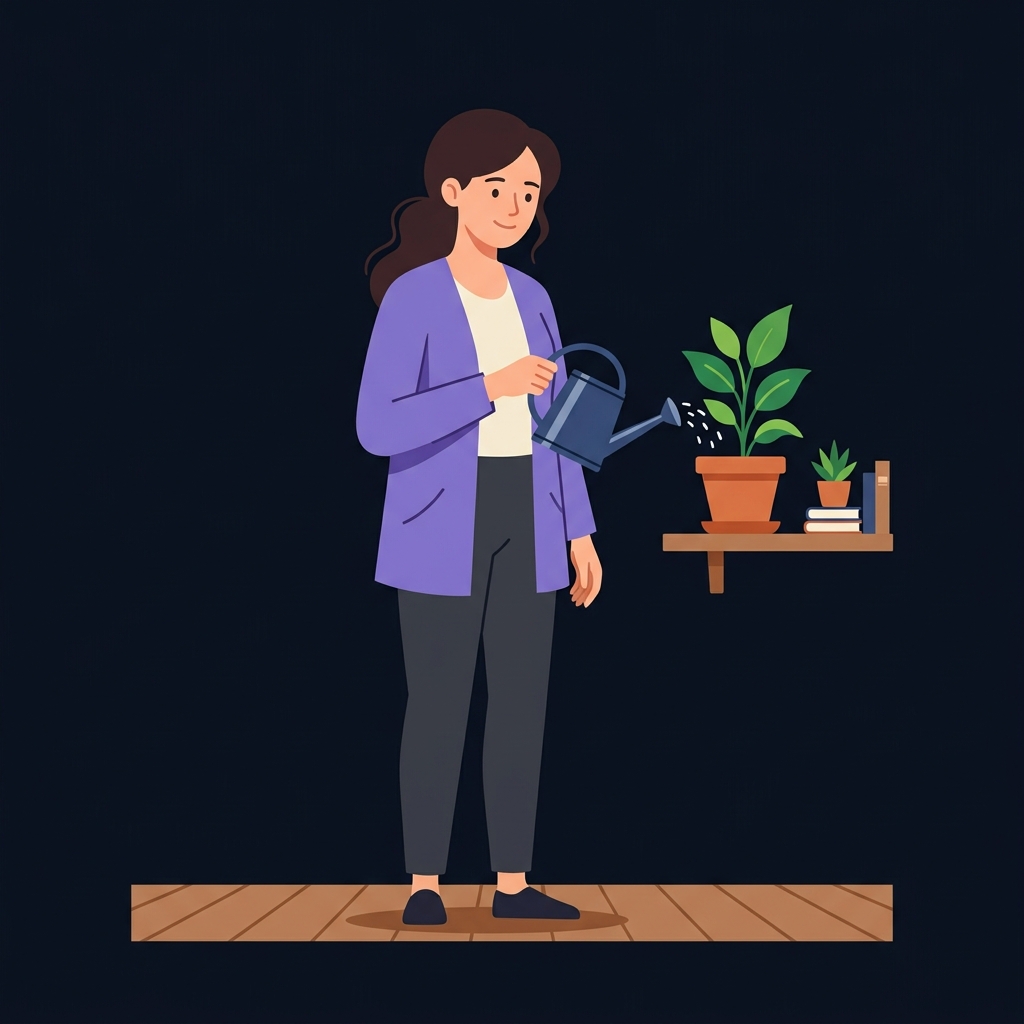
Nadia

Nadia

Welcomes new paying customers with a 30-day feature tour, shares a new feature every week, and reaches out when someone stops using the product.
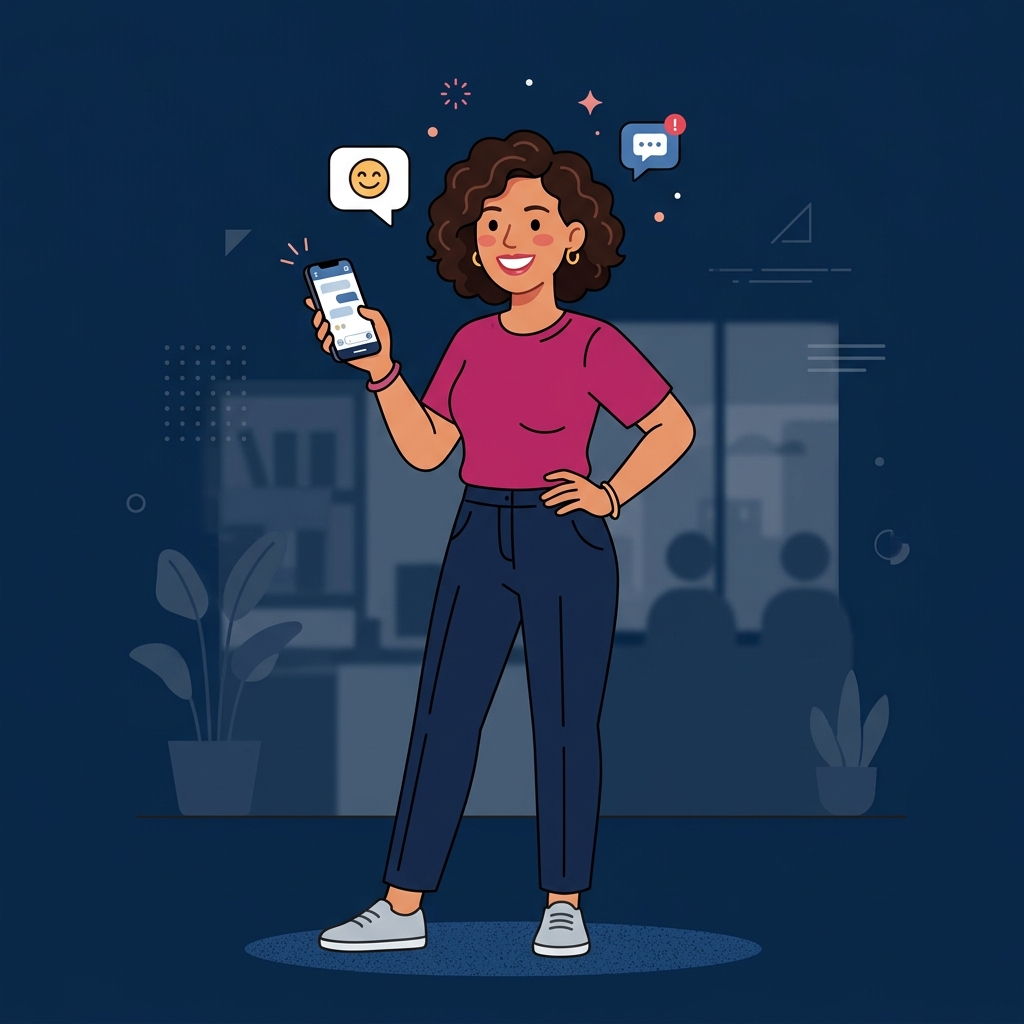
Rita

Rita

Thanks customers who refer other customers. Sends a weekly recap with real numbers.
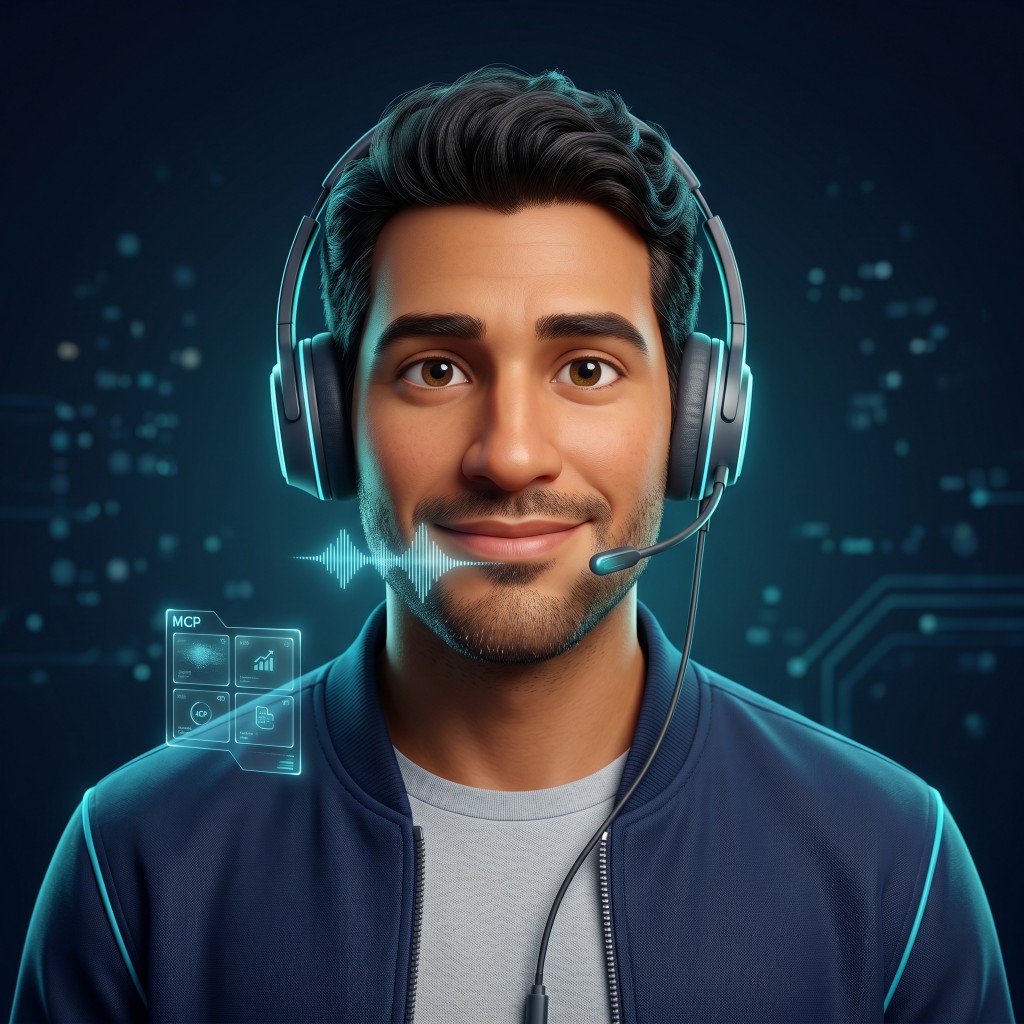
Carter

Carter

Customer service. Answers billing and account questions by email, teaches features from a how-to library, and picks up the phone when a lead calls in.

Back of house: runs the business
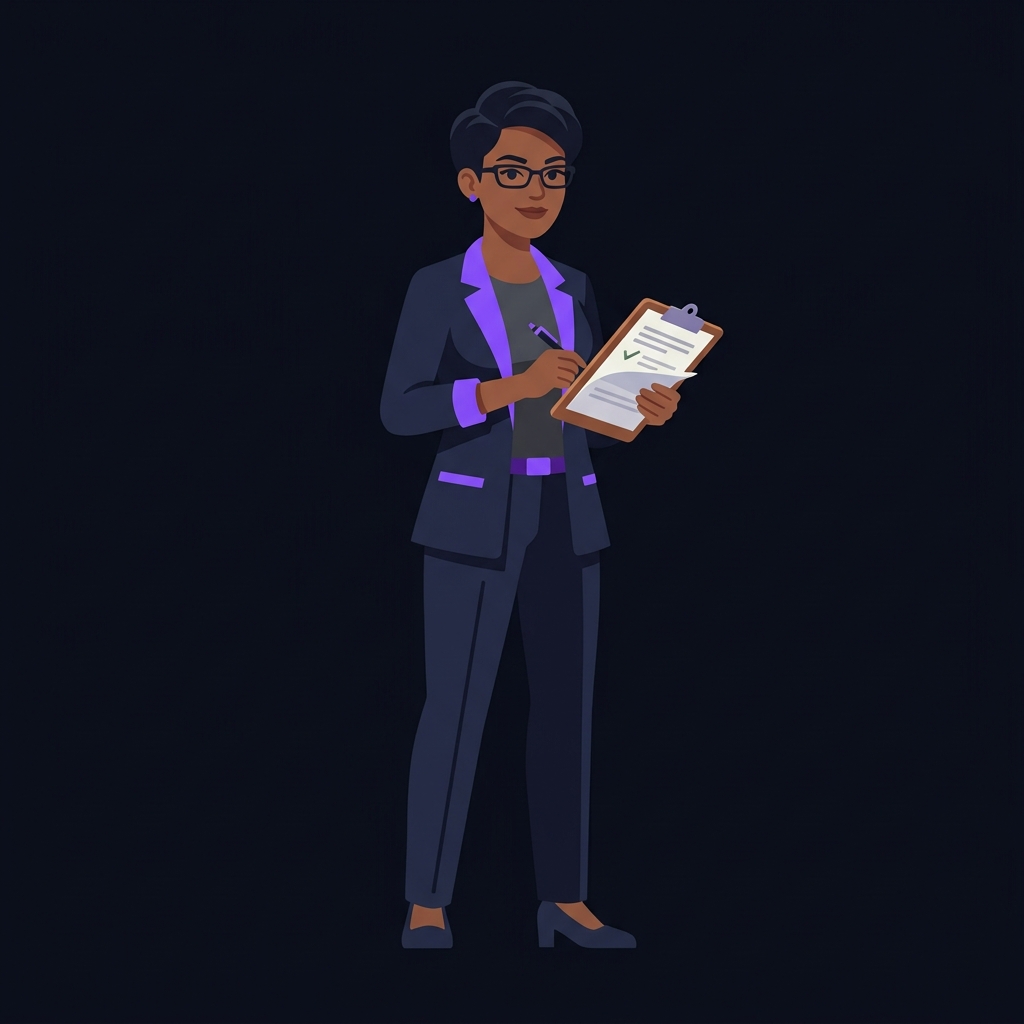
Dana

Dana

The manager. Reads everything, posts a daily briefing. You can chat with her: “Dana, ask Max to draft an email about X.”
Pete

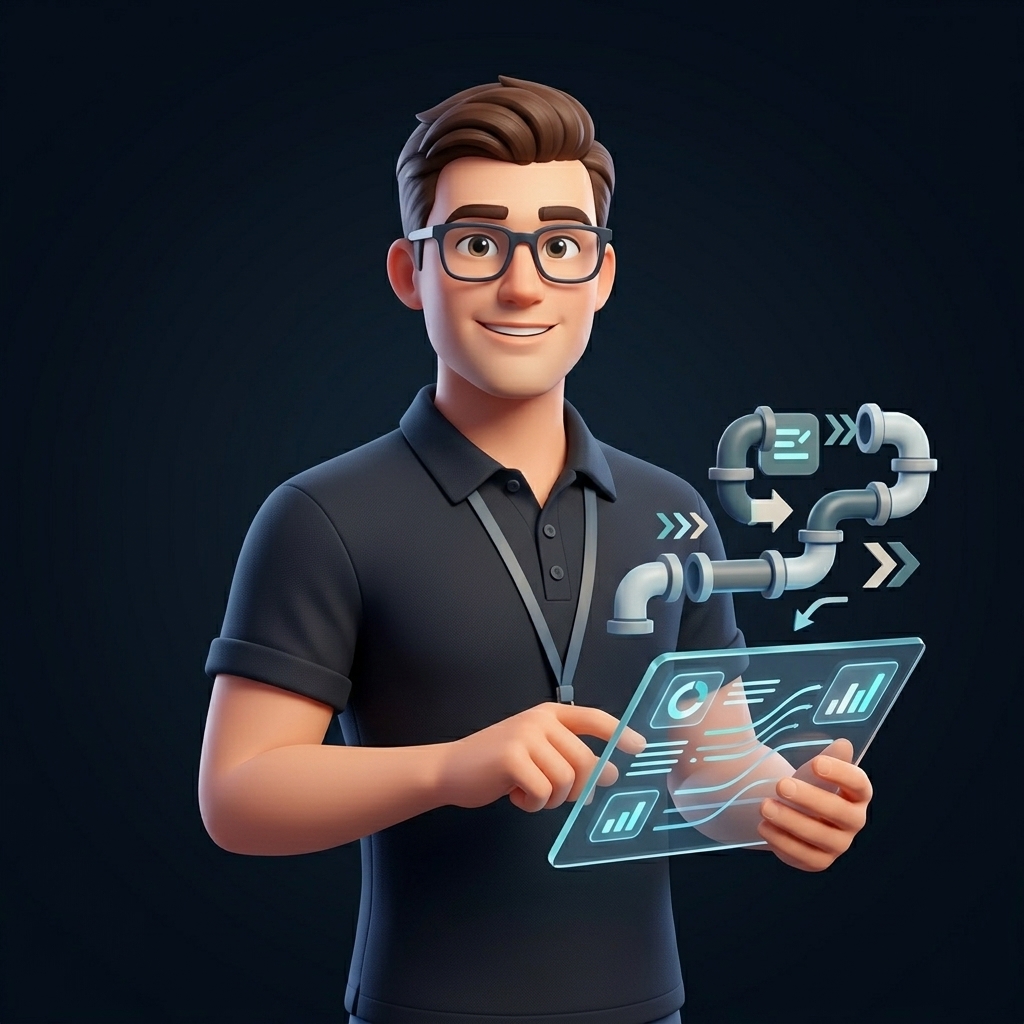
Pete

Runs the CRM. Once a week, proposes new initiatives the team should work on next.
Alex

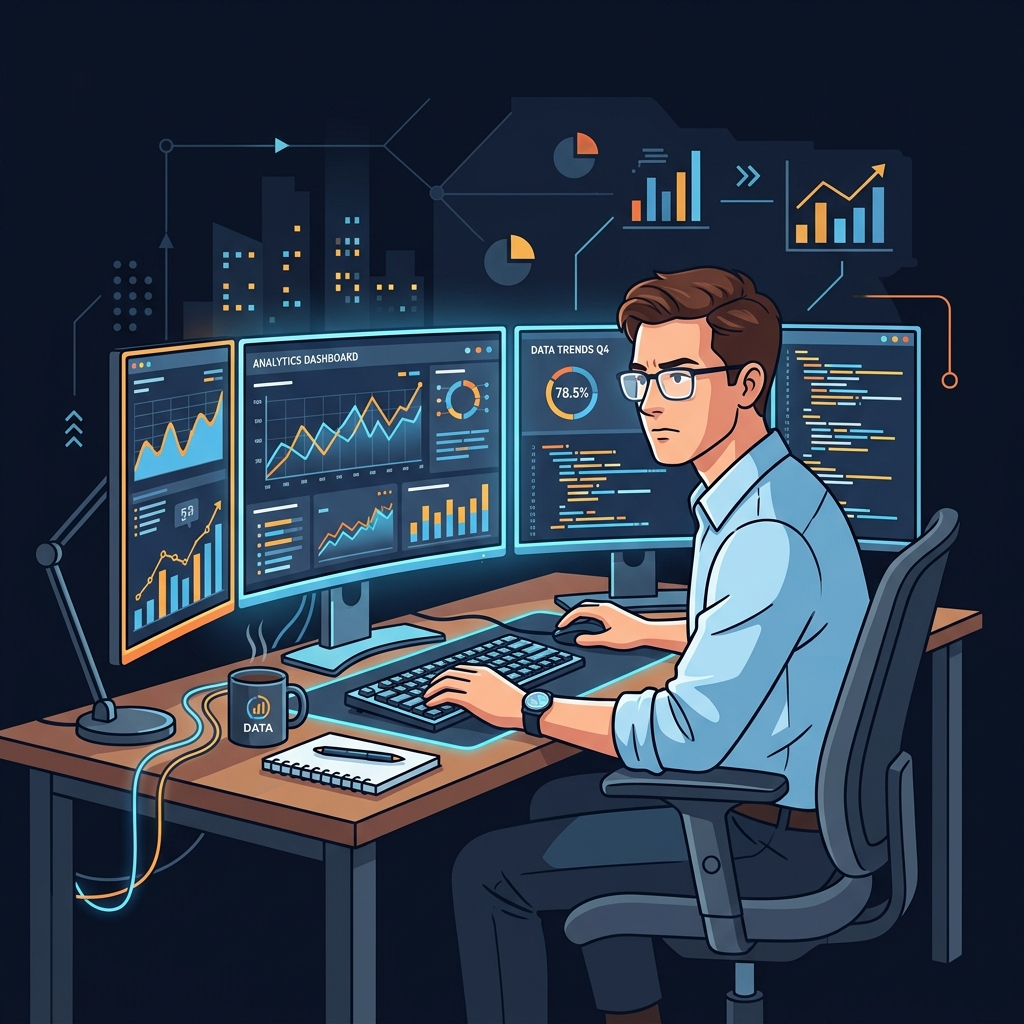
Alex

Watches how customers use the product. Flags anyone going dark before they cancel.
Edith

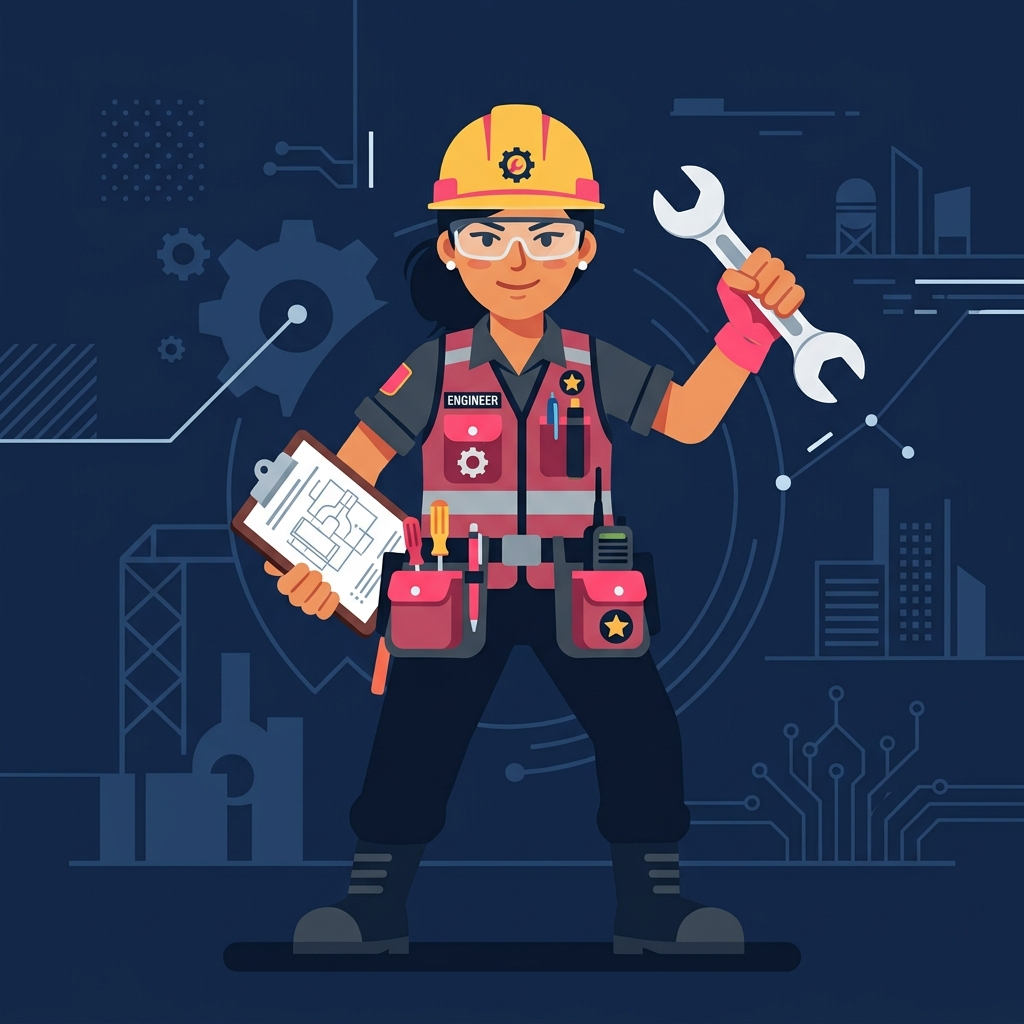
Edith

The on-call engineer. Diagnoses problems at 3am, suppresses noise, only wakes the human if it really matters.
Mike

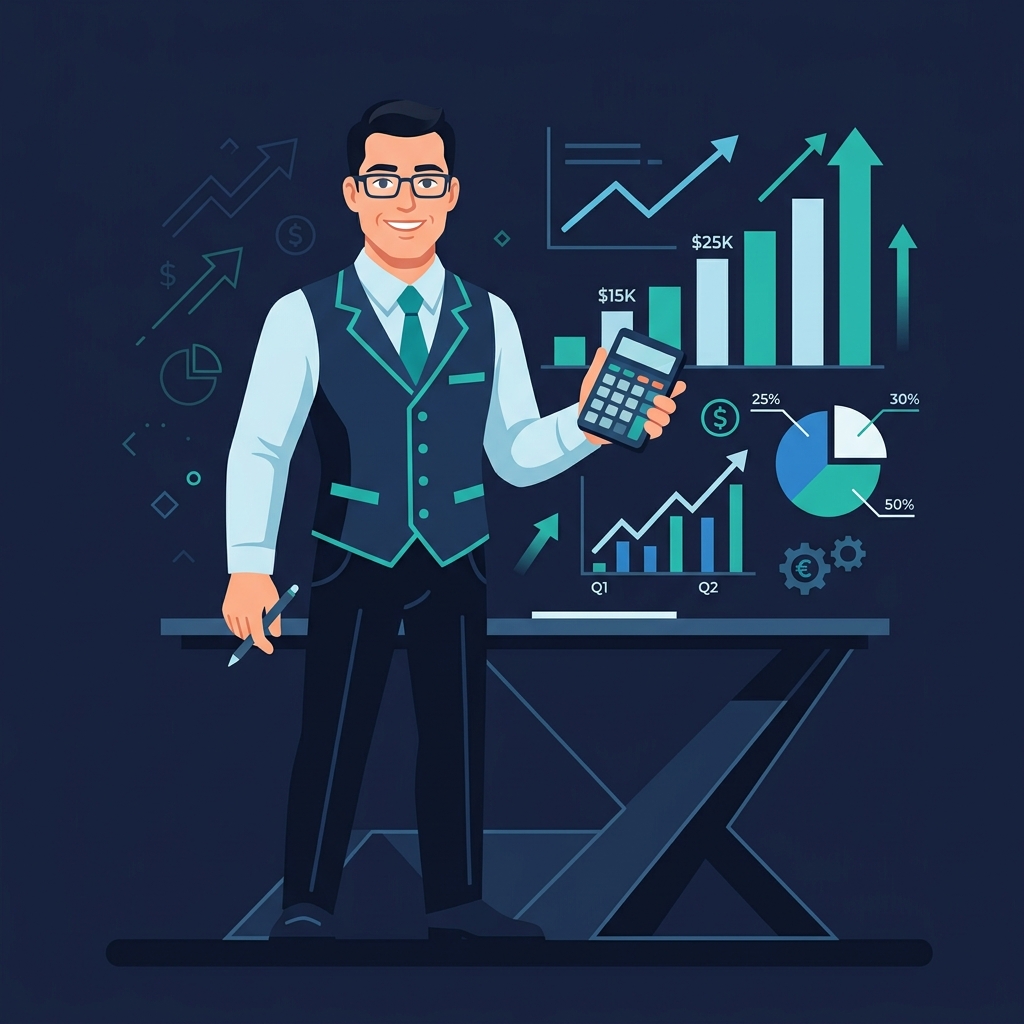
Mike

Tracks the bills. Knows where every dollar goes across providers.
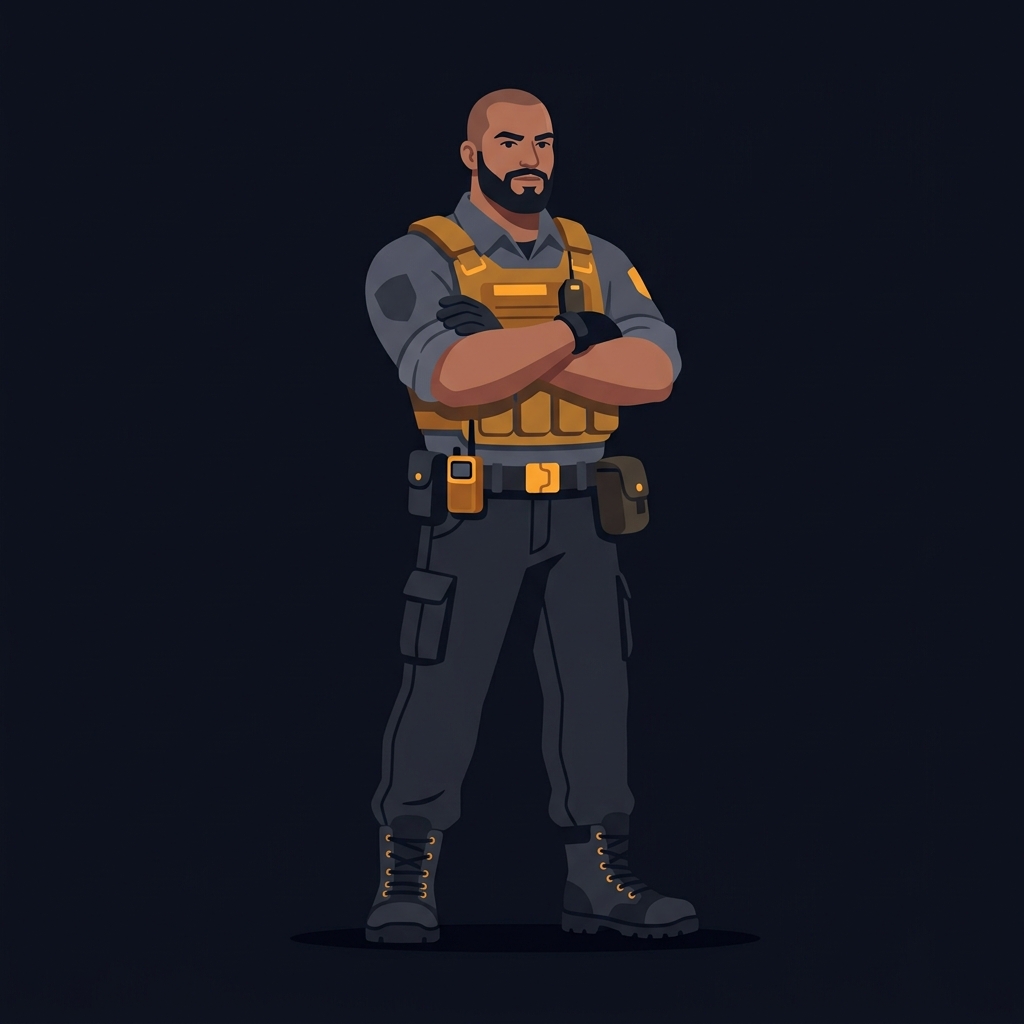
Edwin

Edwin

Keeps the email list clean. Checks every message before it goes out, so the team never emails anyone who bounced, complained, or unsubscribed.
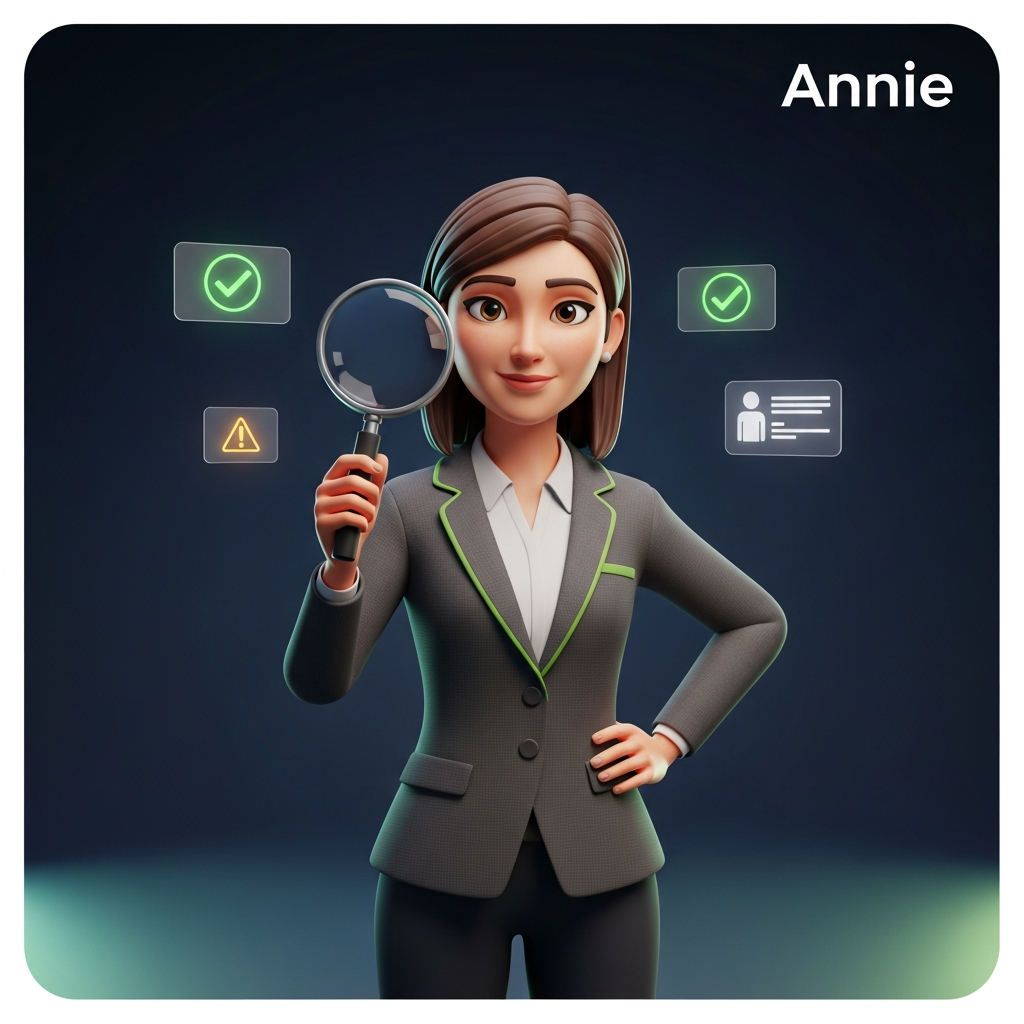
Annie

Annie

The quality inspector. Reads the product’s AI conversations after the fact and catches slip-ups nobody reported. An AI whose whole job is auditing the other AIs.

The creative team

Max

Max

Writes ad copy, social posts, email drafts. Every piece runs through human approval before going live.

Derek

Derek

Generates the images that go with what Max writes. Makes two candidates, picks the better one.

“A normal AI tool is one chatbot trying to do everything. This is a workforce of fourteen specialists with one boss and a shared notebook.”

02What makes this different

Three things separate this from a typical AI tool.

They actually talk to each other

When Larry qualifies a lead, Pete updates the CRM. When Alex notices a customer going quiet, Nadia sends a check-in. They share one notebook, so nothing falls through.

They have a manager

Dana is the supervisor. She reads the notebook, posts a daily briefing, and you can talk to her like a person. She figures out who should do what.

They propose their own work

Once a week, Pete writes up three to five things the team should work on. The human reviews, approves the good ones, and the team gets to work.

They get smarter over time

Every project finished is logged with what changed and what was learned. The next session reads what happened last time. Institutional memory, in software.

They learn from feedback

When a person corrects something an agent wrote, that correction is saved and the agent does better next time. It learns from feedback, and a human still approves every change before it goes live.

03The shared notebook (and where it came from)

The thing that ties the team together, that one place every agent reads and writes, is an idea called Open Brain. It’s an open-source pattern by an engineer named Nate B. Jones: instead of every AI tool having its own separate memory, you give them one shared database with vector search and a common protocol, and they all plug into it.

We took that core idea and built it out for a real SaaS company. The agents don’t just remember things individually. They share an event log, a workstream tracker, an approval queue, and a vector memory of past conversations. When Larry talks to a new lead, Pete sees it. When Alex spots a quiet customer, Nadia knows. That’s Open Brain, adapted.

Source pattern: github.com/NateBJones-Projects/OB1

On the way

Where it’s heading

Some of this is live, some is on the way. The faded items below are scoped but not built yet.

A web chat surface for Dana

Today she lives in Slack. Soon: a chat widget on the WealthLens dashboard so customers and the human can talk to her there too.

More agents proposing their own work

Pete is the first. Mike, Alex, and Edith are next. Eventually the whole team is proposing initiatives weekly.

Independence from outside tools

Today the team posts updates to Slack. Soon the WealthLens dashboard itself will be the home base, with phone-style notifications.

A voice assistant for the dashboard

Imagine asking your dashboard “how are my customers doing this week?” and getting a real spoken answer.

A unified handoff log

Today, agents pass work to each other through CRM tags. Soon: a first-class log of every cross-agent handoff, easy to audit.

Eval framework for the chat surface

The chat widget gives suggestions today. The next step is testing it against a graded set so it can run on auto-pilot.

04Want to go deeper?

Two more docs sit behind a quick request form. I review every request myself and reply within a day.

Open · 7 min read

The developer version

Architecture, stack, agent inventory, coordination model. For engineers who want the technical picture.

Read it
Gated · 12 min read

The comprehensive overview

End-to-end picture. Origin, substrate, agents, coordination, novel patterns, where it’s heading. The full story.

Gated · 15 min read

Patterns & lessons

The hard-won lessons behind a live multi-agent fleet: what to automate, what to gate, and the trade-offs that aren’t obvious until you’ve run one.